

Over the last 5 years, the workplace has become one of the most talked-about environments in modern business. Hybrid working has challenged the purpose of the office, sustainability has climbed the boardroom agenda, and employers are increasingly recognising that a great workplace isn't simply about desks and meeting rooms. It's about creating spaces where people can do their best work.
At the same time, another conversation has quietly gathered momentum. Neurodiversity, once rarely discussed outside specialist circles, is now shaping how organisations think about leadership, wellbeing and workplace culture. A recent BBC article explored how increasing awareness of ADHD is changing expectations of the modern workplace, highlighting the growing need for environments that recognise people don't all think, work or interact in the same way.
For those of us working in workplace design, this raises an interesting question.
If people aren't all the same, why do we continue designing offices as though they are?
For decades, office design has followed a familiar pattern. A company moves into a new building, purchases furniture, installs it, and expects that space to serve the business for years to come. Eventually the business grows, restructures or relocates, and the cycle begins again. Perfectly usable furniture is removed, new products are ordered, and another fit-out starts from scratch.
It's a model we've accepted for years, but it no longer reflects how businesses operate.
Organisations are changing faster than ever. Teams expand and contract. Hybrid working has reduced the need for permanently assigned desks. Departments collaborate differently. Even the way we define productivity has evolved. Yet many workplaces are still designed as though nothing will ever change.

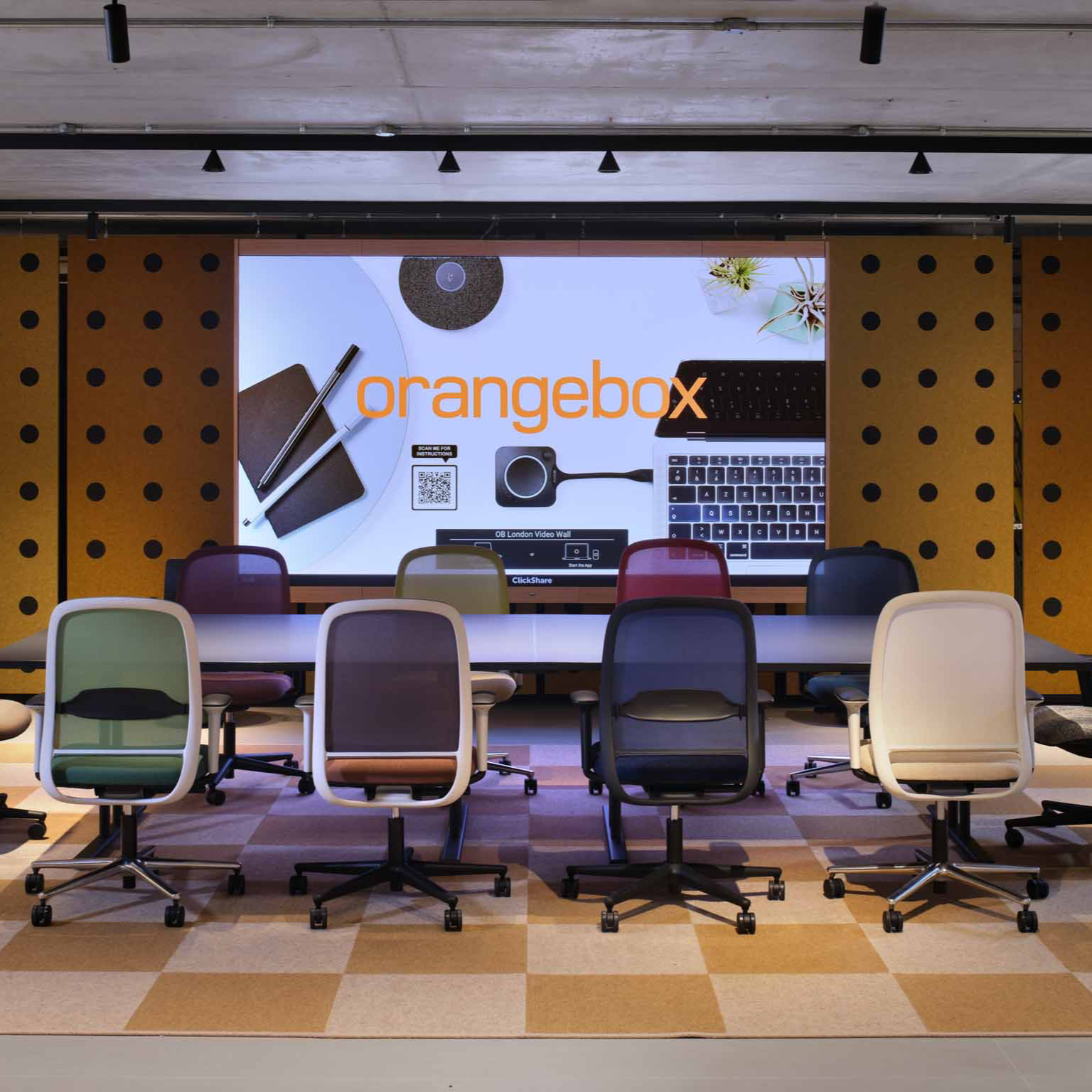
The best workplaces provide choice, allowing people to work in ways that suit them best.
This is where I believe the circular economy has something important to offer.
When most people hear the term circular economy, they immediately think about recycling. In reality, recycling is only a small part of the picture. The real ambition, championed by organisations such as the Ellen MacArthur Foundation, is to move away from the traditional "take, make, waste" model altogether. Instead of constantly replacing products, the circular economy encourages us to keep materials, products and resources in use for as long as possible through better design, maintenance, refurbishment and reuse.
It's a philosophy that feels particularly relevant to workplaces.
Perhaps the most sustainable office isn't the one filled with the newest furniture.
Perhaps it's the one that has been designed to adapt.
That adaptability also sits at the heart of good neuroinclusive design.
Around one in seven people in the UK are neurodivergent, including people with ADHD, autism, dyslexia and dyspraxia. Every individual experiences the workplace differently. Some people thrive in collaborative spaces full of energy and conversation, while others produce their best work in quieter environments with fewer distractions. Some benefit from standing desks and the opportunity to move throughout the day, while others value routine and consistency.
The answer isn't to create a bespoke office for every employee. That's neither practical nor necessary.
Instead, it's about giving people choice.
A workplace that offers different settings, different furniture and different ways of working is naturally more inclusive because it accepts there is no single way to work well. What's interesting is that this same flexibility also happens to be one of the key principles of the circular economy.

Great workplaces are built on more than furniture. They're designed around people.
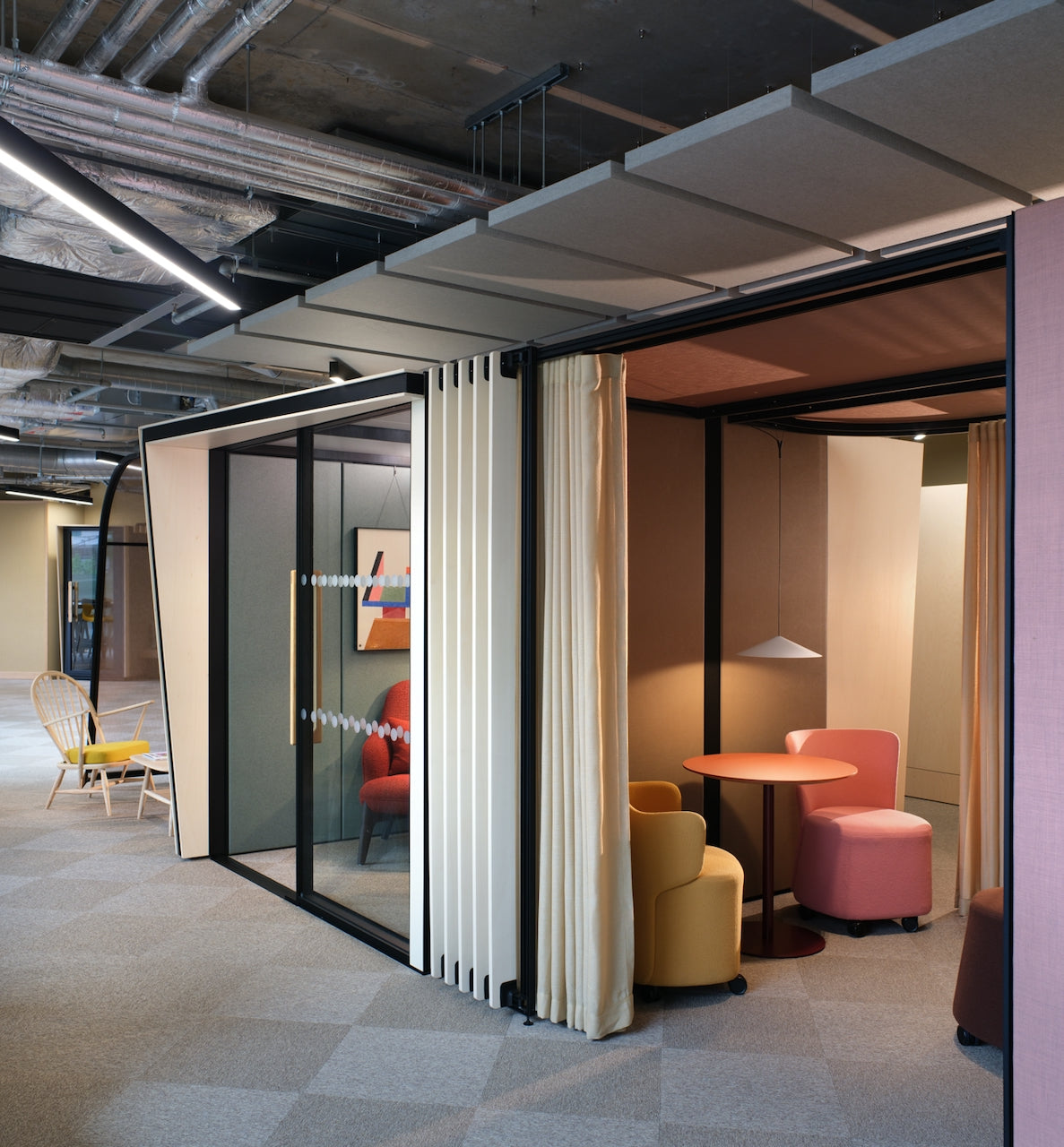
Of course, creating choice isn't just about the furniture itself. The best workplaces consider every element of the environment. Acoustics can make the difference between a productive workspace and one filled with constant distractions, particularly in open-plan offices where excessive noise can increase stress and make concentration more difficult. Thoughtfully designed acoustic solutions, from sound absorbing panels and screens to upholstered furniture and quiet focus spaces, help create environments where people can collaborate when they want to and concentrate when they need to.
The same can be said for biophilic design. Bringing natural materials, planting and daylight into the workplace isn't simply about aesthetics. Research has consistently shown that stronger connections with nature can improve wellbeing, reduce stress and help people feel more comfortable and engaged at work. Whether it's incorporating living planting, sustainably sourced timber, natural textures or maximising natural light, these elements help create workplaces that feel healthier, calmer and ultimately more human.
Together, acoustics, biophilic design, ergonomics, lighting and flexible furniture all contribute towards the same goal: creating environments that adapt to the needs of the people using them, rather than expecting people to adapt to the workplace.

Good workplace design considers every sense, from sound and light to comfort and connection with nature.
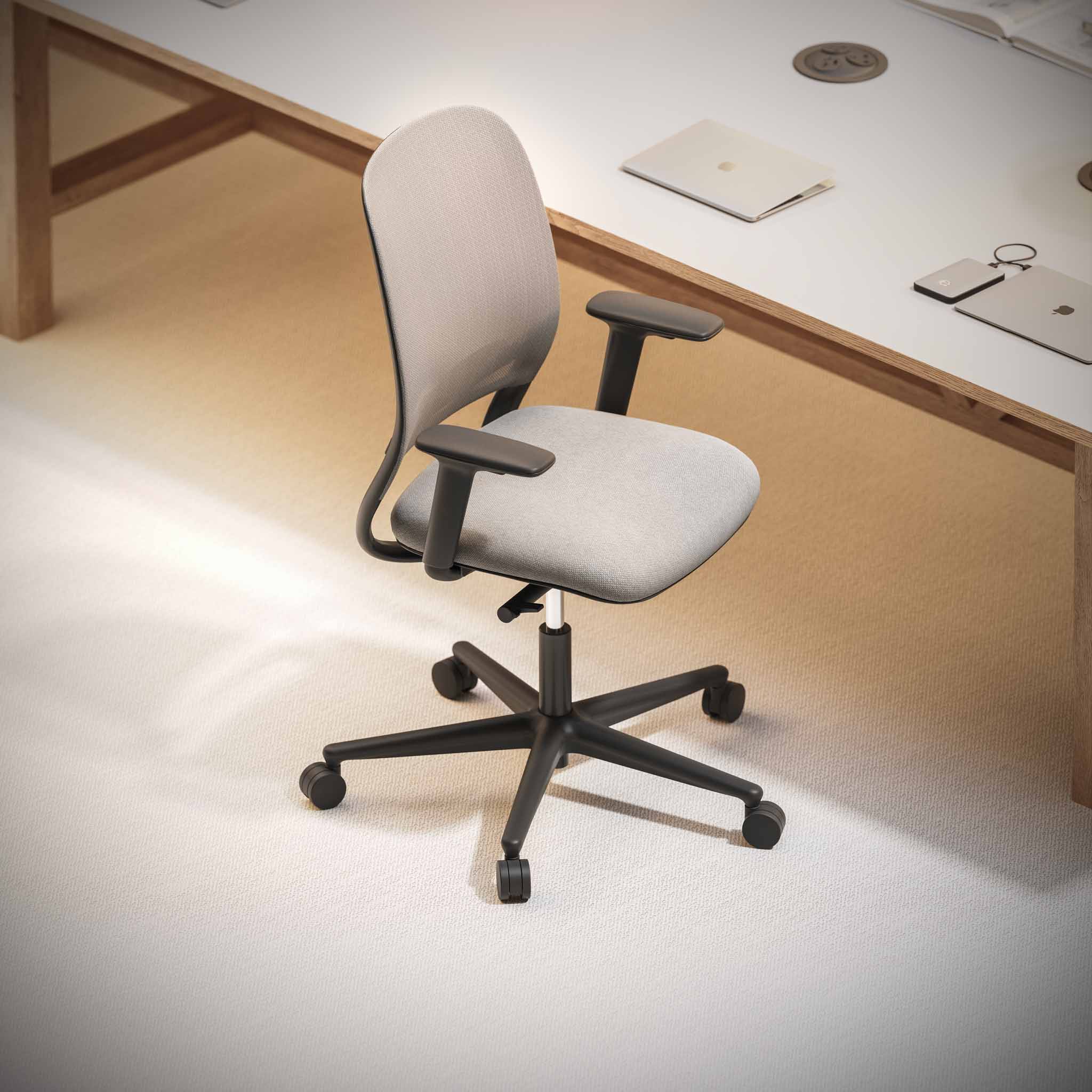
Rather than treating furniture as something that is bought, used and eventually disposed of, circular thinking encourages businesses to view workplaces as living environments that evolve over time. Furniture can be maintained, reconfigured, refurbished or relocated as businesses change. Spaces can adapt without starting from scratch, reducing waste while creating workplaces that continue to meet the needs of the people using them.
The same thinking applies beyond furniture. Acoustic panels can be relocated as teams grow, modular meeting spaces can be reconfigured, planting can move with the business, and high quality products can continue creating value long after a traditional fit-out would have been replaced. Circularity isn't simply about extending the life of furniture; it's about extending the life of the entire workplace.

This is one of the reasons subscription furniture is becoming such an exciting part of the conversation.
Too often, subscription is viewed purely as a financial product. In reality, it's something much bigger. It gives businesses the freedom to adapt. As organisations grow, relocate or embrace new ways of working, their workplace can evolve alongside them. Furniture isn't simply delivered and forgotten about; it's maintained, refreshed and managed throughout its lifecycle before being refurbished and given another opportunity to create value elsewhere.
That isn't just good for sustainability.
It's good workplace design.
For us at Circular Office Group, circularity has never been about selling refurbished furniture or offering an alternative payment model. It's about challenging the assumption that workplaces should be static. We believe offices should evolve in exactly the same way the businesses inside them do. Whether that's through subscription furniture, thoughtfully designed acoustic solutions, biophilic design, or creating more neuroinclusive environments, every decision should contribute to a workplace that's healthier for people and better for the planet.
The conversations around neurodiversity, sustainability and the future of work are often treated as separate topics, but I don't think they are. They're all asking the same question:
How do we create workplaces that are built for change?
Perhaps the answer isn't buying more.
Perhaps it's designing better.
Designing spaces that evolve rather than expire. Designing furniture with a second, third or even fourth life in mind. Designing workplaces that recognise every business changes, every team is different and every person works in their own way.
Because the future of office design isn't simply about creating greener workplaces.
It's about creating healthier, more flexible and more inspiring workplaces that are designed around people, while embracing circular principles that reduce waste and maximise value throughout their entire lifecycle.


Leave a comment
This site is protected by hCaptcha and the hCaptcha Privacy Policy and Terms of Service apply.