



Office dilapidations are one of the most overlooked drivers of waste and unnecessary cost in the UK commercial property sector.
Every year, businesses across the UK reach the end of their commercial leases and begin the process of office reinstatement. The standard approach to dilapidations often results in full strip-outs, furniture disposal and significant embodied carbon loss - even when assets remain in excellent condition.
At a time when organisations are under pressure to reduce Scope 3 emissions, improve ESG performance and meet sustainability targets, the traditional linear model of office dilapidations is increasingly difficult to justify.
There is a better way.
What are office dilapidations?
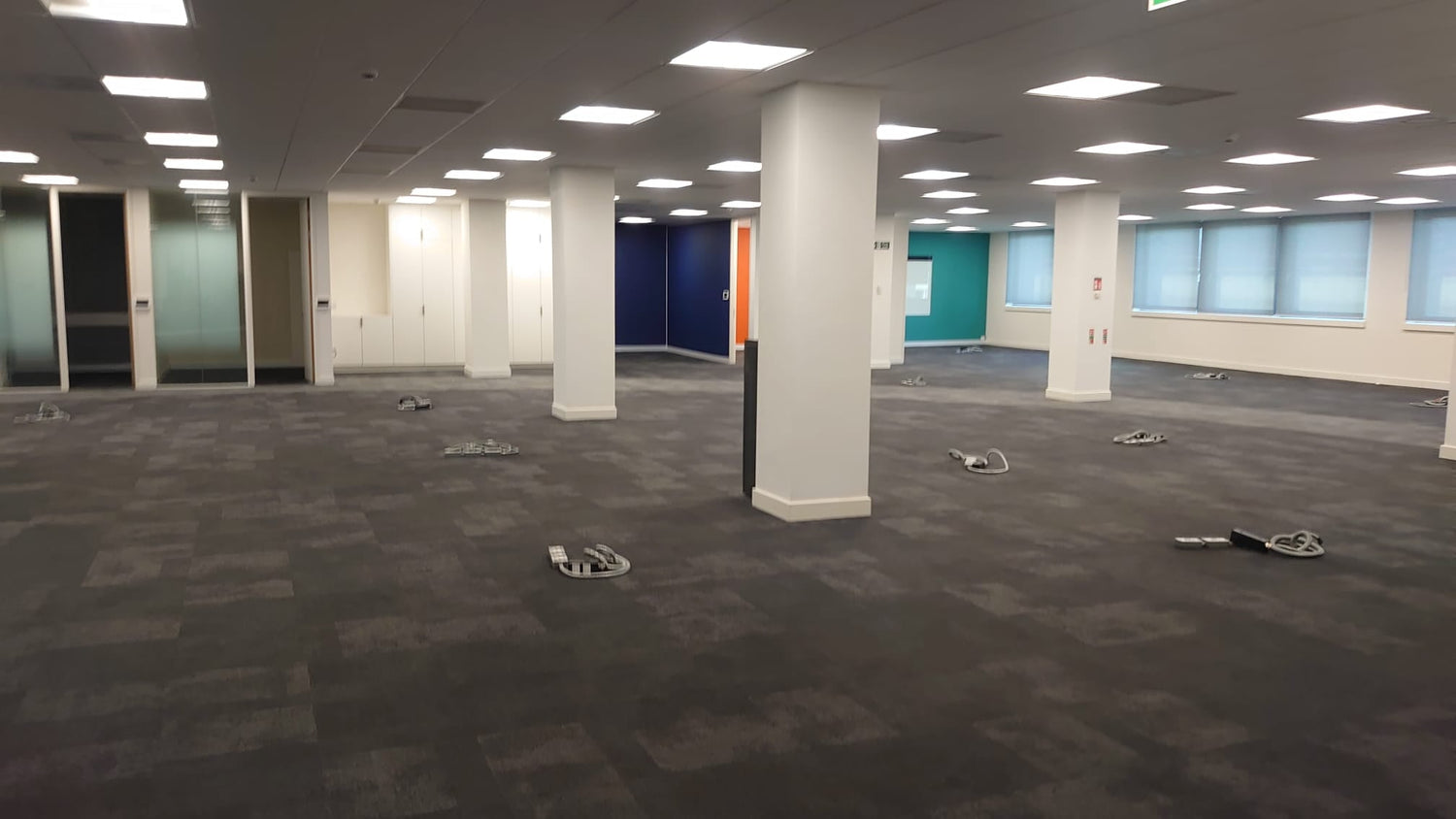
Office dilapidations refer to a tenant’s legal obligation to return a leased commercial property to the condition specified in the lease agreement. This is commonly known as end-of-lease reinstatement.
In practice, commercial dilapidations often involve:
-
- Removing office furniture and fit-out
- Reinstating original finishes
- Stripping out partitions and fixtures
- Repairing and redecorating
- Returning the space to “Category A” condition
While these obligations are contractual, the way businesses approach them is not fixed.
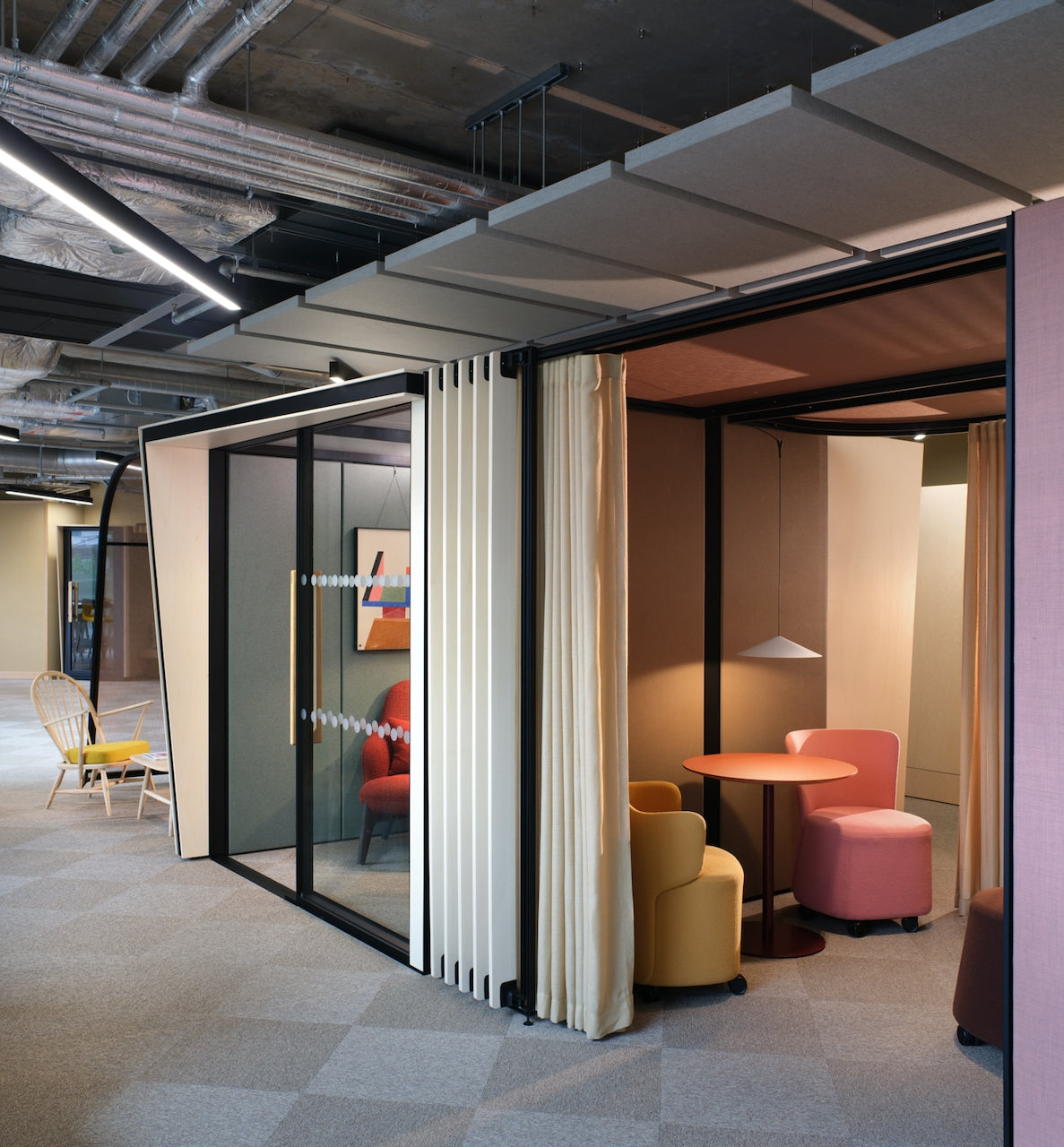
Too often, office furniture and fit-out are treated as disposable — regardless of remaining lifespan, value or embodied carbon.
The scale of the problem: waste in UK office fit-outs
The UK fit-out and construction sector generates significant waste each year.
-
- The UK construction industry produces over 60 million tonnes of waste annually, accounting for around one third of total UK waste.
- Studies suggest that up to 40% of office furniture removed during refurbishments and dilapidations is sent to landfill.
- The built environment is responsible for approximately 25% of the UK’s total greenhouse gas emissions, with embodied carbon becoming an increasing focus.
- The UK construction industry produces over 60 million tonnes of waste annually, accounting for around one third of total UK waste.
Furniture and interior fit-out elements contribute to Scope 3 emissions — the indirect emissions that occur across a company’s value chain. For organisations with science-based targets or ESG reporting commitments, end-of-lease waste directly impacts sustainability performance.
Yet traditional office dilapidations rarely account for carbon, reuse potential or circularity.
The hidden financial cost of linear dilapidations
Beyond environmental impact, there is a significant commercial inefficiency.
The typical linear model looks like this:
-
- Remove furniture
- Pay for disposal
- Write off assets
- Purchase new furniture elsewhere
- Remove furniture
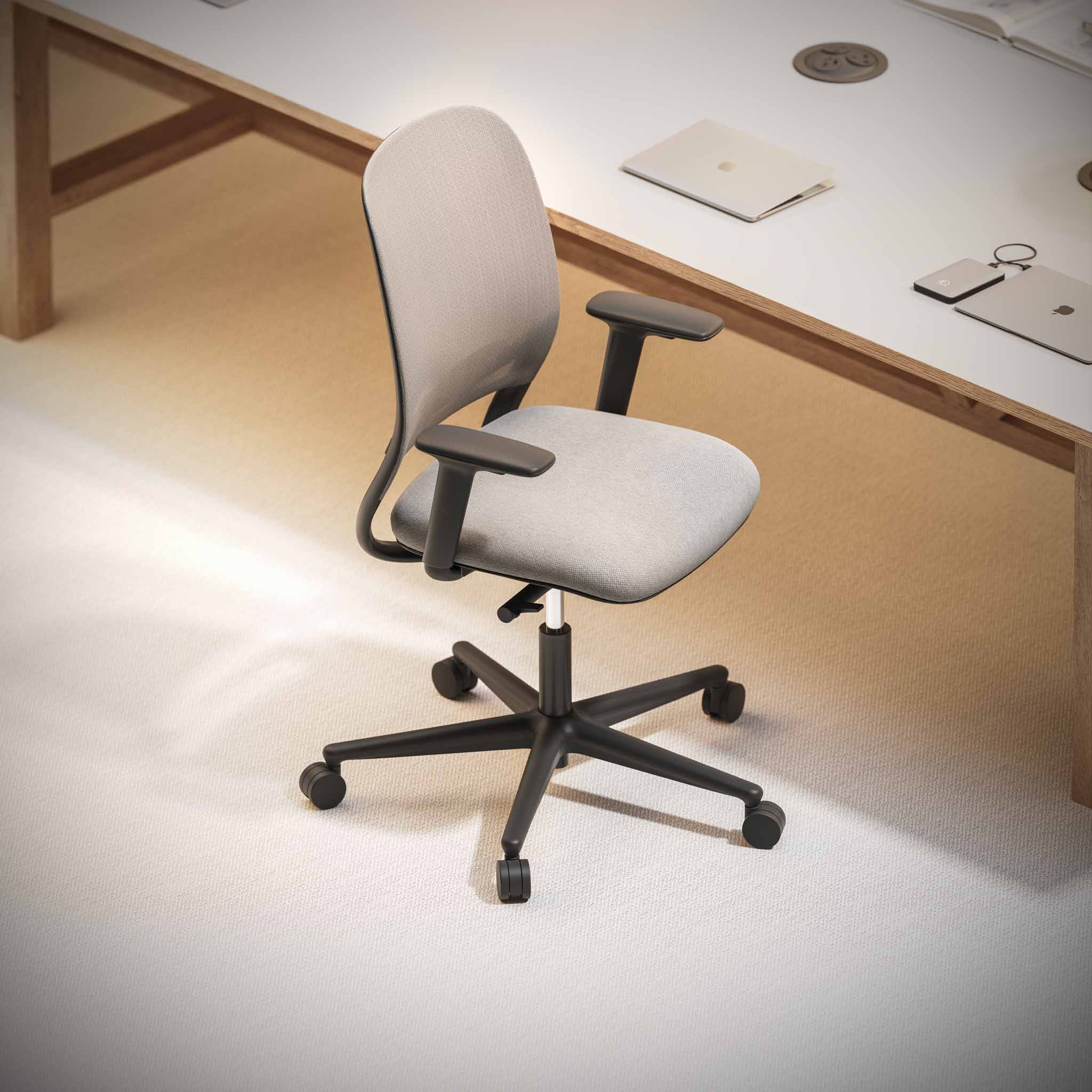
This approach locks capital into short lifecycle assets and creates avoidable expenditure. Perfectly usable desks, task chairs and meeting tables are treated as liabilities rather than recoverable assets.
In many cases, businesses are paying twice, once to dispose and again to replace.
A circular economy approach to office dilapidations
A circular economy approach to office furniture and commercial fit-outs challenges the assumption that end of lease equals end of life.
At Circular Office Group, we support organisations across the UK with sustainable office dilapidations and circular workplace solutions.
Instead of defaulting to strip-out and landfill, we begin with a strategic assessment of existing assets.
Asset audits and reuse assessments
We conduct detailed audits to identify furniture and fit-out elements that can be reused, refurbished or redeployed. Many products retain significant functional life and embodied value.
Circular logistics and recovery
Through our circular logistics model, we manage the collection, redistribution and refurbishment of office furniture. This reduces landfill waste and keeps high-quality products in circulation.
Reducing embodied carbon and Scope 3 emissions
Extending the life of office furniture directly reduces embodied carbon and supports organisations in lowering Scope 3 emissions associated with procurement and disposal.
Sustainable office fit-out integration
For clients relocating or undergoing refurbishment, we integrate recovered assets into new workplace designs or introduce subscription-based furniture models that prevent repeat waste cycles.
Why early planning is critical
One of the most common challenges with office dilapidations in the UK is timing.
When conversations begin too late, strip-out contractors are already appointed, and disposal becomes the default outcome. Early engagement allows for:
-
- Strategic reuse planning
- Carbon impact assessment
- Improved ESG reporting alignment
- Reduced reinstatement costs
- Smarter procurement decisions
Office reinstatement does not need to undermine sustainability goals. With the right expertise, it can strengthen them.
Sustainable dilapidations as a competitive advantage
As environmental regulations tighten and investor scrutiny increases, organisations are expected to demonstrate measurable action on carbon reduction and circularity.
A sustainable approach to office dilapidations can deliver:
-
- Reduced landfill waste
- Lower embodied carbon
- Improved ESG and BREEAM alignment
- Better asset value retention
- More predictable financial planning
End-of-lease events are not just operational milestones. They are opportunities to demonstrate leadership in circular economy thinking.
End of lease should not mean end of life
The commercial property sector is evolving. Linear, waste-heavy models are being replaced by smarter, more sustainable alternatives.
At Circular Office Group, we help businesses across the UK rethink office dilapidations, commercial reinstatement and workplace transitions through a circular lens.
By protecting asset value, reducing embodied carbon and keeping furniture in use for longer, we turn what is traditionally seen as a compliance burden into a strategic sustainability opportunity.
If you have an upcoming lease event, office relocation or refurbishment project, early planning can significantly reduce cost and environmental impact.
Because end of lease should never mean end of life.


Leave a comment
This site is protected by hCaptcha and the hCaptcha Privacy Policy and Terms of Service apply.